
Can football players bet on football?
The distinction between a regular fan and a professional athlete is fundamental to the spirit of sport. While a supporter invests emotionally and financially in a match, they remain an observer, unable to physically intervene in the play. In contrast, players possess the direct power to dictate the trajectory of a ball, the timing of a tackle, or the outcome of a penalty.
If players were allowed to wager, they could easily manipulate specific events like corner kicks, throw-ins, or yellow cards to satisfy a betting slip. Even when a player bets on a match involving teams they do not play for, the potential for "inside information" exchange remains high.
To ensure the pitch remains a place of fair competition rather than a theater of orchestrated events, the governing bodies have established clear boundaries. Goaloomobi provides this deep dive to answer the ultimate question: Can football players bet on football?
Can football players bet on football?
Currently, the most definitive regulation is Rule E8 of the Football Association (FA) handbook. This rule serves as a total, worldwide ban, stating that any participant involved in the game, including players, managers, coaches, and club staff, is prohibited from betting, either directly or indirectly, on any football match or competition anywhere in the world.
This ban is not limited to match results, it extends to transfers, team selection, and even managerial appointments. Furthermore, the passing of "inside information" to a third party, such as a friend or family member who then places a bet, is treated as a severe breach of conduct, regardless of whether the player personally benefited from the wager.
This level of strictness was not always the norm. Before August 1, 2014, the regulations were significantly more lenient. Previously, players were only banned from betting on competitions or matches in which they were personally involved or could exert influence. However, the rapid globalization of football squads meant that a player in the English Premier League might have close ties to teammates or rivals playing in leagues across South America or Asia.
Recognizing this interconnectedness, the FA implemented the 2014 worldwide ban to close loopholes that could lead to international match-fixing. The primary catalyst for this shift was the realization that "spot-fixing", betting on specific, isolated incidents like the timing of a throw-in, had become a lucrative and dangerous market for those with inside access.
History is unfortunately littered with examples of why these rules are necessary. As far back as 1898, a match between Stoke and Burnley was scrutinized when both teams realized a draw would secure promotion, leading to a game where "forwards were anxious not to score."
In 1915, players from Liverpool and Manchester United colluded to ensure a 2-0 scoreline for financial gain. More recently, the 2011/12 Calcioscommesse scandal in Italy highlighted the systemic danger of betting, involving legends like Giuseppe Signori and Cristiano Doni, resulting in massive point deductions and 5-year bans. The financial scale of these scandals is staggering, in a 2013 bribery case, players reportedly received up to £70,000 just for earning a red card.
The punishments for defying these rules are uncompromising. When a player is suspected of a breach, the FA conducts an exhaustive investigation, often demanding bank statements and itemized phone records. Depending on the severity, penalties range from heavy financial fines and short-term suspensions to lifetime bans from the sport.

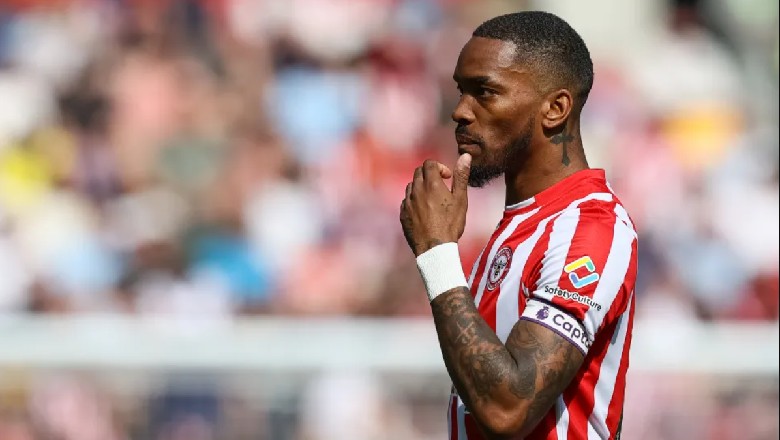
For instance, Ivan Toney was handed an 8-month suspension in 2024 after admitting to 232 breaches of betting rules. Similarly, Sandro Tonali faced a 10-month ban in 2023 for illegal betting activities in Italy. Even inadvertent slips, like Kieran Trippier telling friends to "lump on" regarding his transfer to Atletico Madrid, resulted in a 10-week ban and a £70,000 fine.
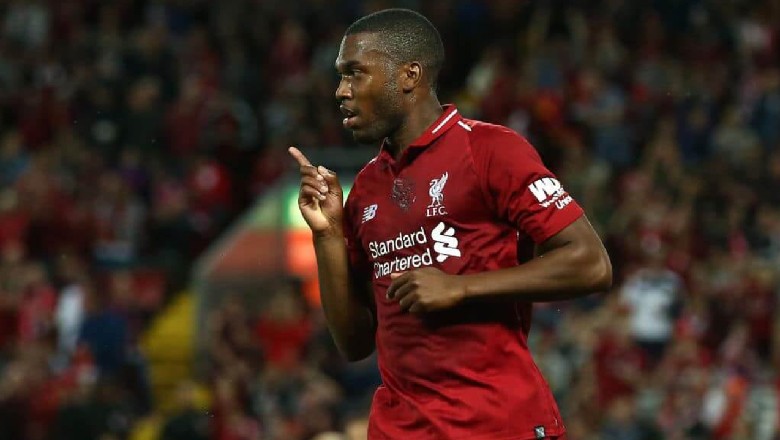
Other notable cases include Joey Barton, who placed over 1,260 bets on football over a decade, and Daniel Sturridge, who was fined £150,000 for sharing transfer tips with his brother. Even bizarre cases like Wayne Shaw eating a pie during an FA Cup match or Matt Le Tissier trying to kick a ball out of play for a "spread bet" show that no detail is too small for the authorities to ignore.
Football betting regulations for players:
Global ban: Players cannot bet on any football match, anywhere, regardless of their involvement.
Inside information: Sharing non-public data (injuries, transfers) with others for betting purposes is strictly illegal.
Scope of content: The ban covers results, player transfers, manager hirings, and "spot" events like yellow cards or corners.
Investigation power: Authorities can seize phone records and financial statements to prove misconduct.
Consequences: Penalties include massive fines (up to £150,000+), long-term suspensions (months to years), and contract termination.
Permitted betting: Players are generally allowed to bet on other sports (horse racing, golf) or play casino games like poker, provided they have no influence over the outcome.
Despite the staggering salaries and the glamorous lifestyle associated with elite football, the allure of the betting market remains a dangerous temptation for some. Maintaining the purity of the game requires a firm, immovable boundary between those who play and those who wager. When asking "Can football players bet on football?", the answer from Goaloomobi.net is a resolute and ironclad "No."
Do not look elsewhere for your football fix. If you require a trustworthy, user-friendly platform to stay updated with the latest news every hour, or if you seek objective data and valuable insights before the big match, we are confident in our ability to satisfy even the most discerning fans.
The Most Popular
-
 10 most famous Argentina football players ever: Messi carries on Maradona’s legacy
 -
 Germany’s football kit history: Top 5 iconic shirt designs ranked
 -
 Who was the captain of Brazil national football team in 2025?
 -
 Brazil all time XI: 2 Pele included, does Neymar deserve a place?
 -
 10 players who played for Chelsea and Barcelona: Lampard’s mentor, Fabregas’ controversial London return
 -
 Is Messi a striker or midfielder?
 -
 Why do football players get cramps so often?
 -
 Why did Mourinho leave Real Madrid?
 -
 How much did Chelsea pay for Mudryk?
 -
 How much did Barcelona pay for Coutinho?