
Interesting facts about Pele: The punch over his name, the iconic moment that saved Puma
For decades, Pele has been the undisputed legend of the World Cup. Even as we progress through the 21st century, no player has managed to shatter his records regarding total goals or World Cup trophies. It has been nearly half a century since the Brazilian icon last stepped onto a World Cup pitch, yet he remains the immortal gold standard for every striker in the world’s most prestigious tournament.
However, Pele unintentionally became a "victim" of his own brilliance. Because his on-field magic was so blinding, fans have often overlooked his equally proud life outside the stadium. From the "Puma" moment that saved a corporate empire to being viewed by U.S. Secretary of State Henry Kissinger as a political treasure and a diplomatic bridge between superpowers, Pele achieved unthinkable feats.
This article by Goaloomobi will revisit the most interesting facts about Pele, ensuring a journey that is well worth your time.
Interesting facts about Pele
The professional career of Edson Arantes do Nascimento was a relentless barrage of records. Primarily, Pele remains the only individual to have won 3 FIFA World Cups (1958, 1962, and 1970).
His statistical dominance is staggering, having netted 1,283 first-class goals throughout his career. Within this tally, he scored 92 hat-tricks and remarkably scored 8 goals in a single match against Botafogo in 1964. Furthermore, his scoring prowess was not limited to his feet.
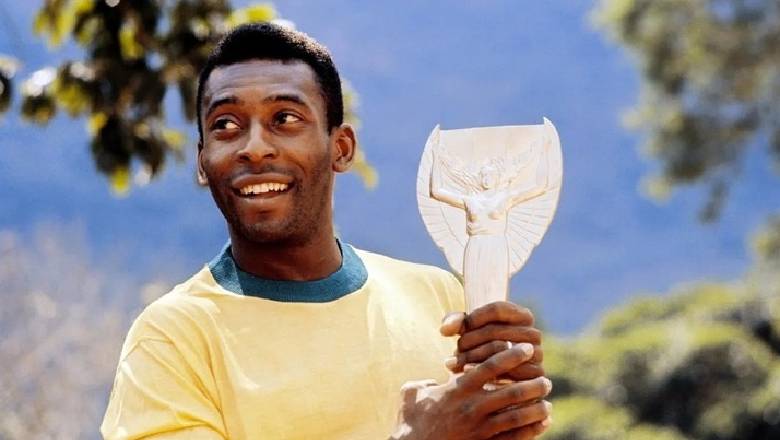
Despite not being the tallest, he once scored 4 headers in a single game, a feat nearly matching his father Dondinho’s record of 5. His international impact was solidified early, as he became the youngest World Cup winner at just 17 years old. Tarcisio Burgnich, the Italian defender tasked with marking him in the 1970 final, perfectly captured the aura of the man: “I told myself before the game, he's made of skin and bones just like everyone else, but I was wrong.”
Moving from professional milestones to his unique identity, the name "Pele" itself carries a fascinating history. Named after Thomas Edison because electricity had just arrived in his hometown, the boy originally wanted to be called Edson. He found the nickname "Pele" to be "rubbish" and even punched a classmate for using it, resulting in a 2-day suspension.
Paradoxically, this "rubbish" name became a global brand. His early years were defined by extreme poverty, where he practiced with a sock stuffed with rags or grapefruit because he could not afford a real ball. This humble beginning led to the formation of "The Shoeless Ones," a neighborhood team that played barefoot.
His first professional contract with Santos at age 15 paid a mere $10 a month, which he used to buy his mother a gas stove, despite their town having no gas pipes at the time.
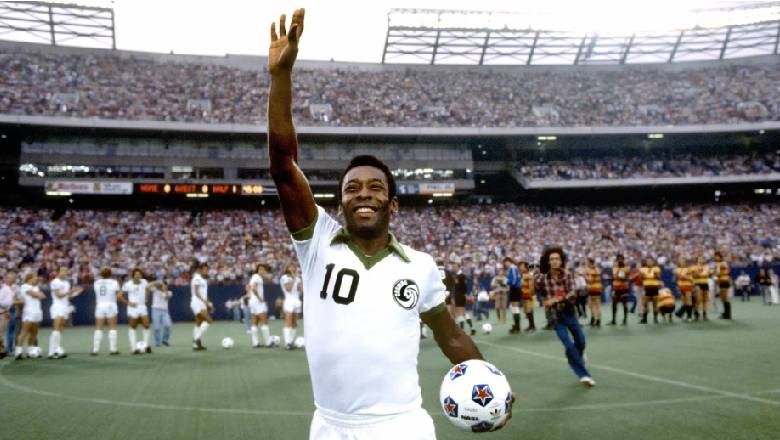
Pele’s influence eventually reached the highest levels of global politics and commerce. In 1961, the Brazilian President declared him an official "National Treasure" to legally prevent him from being transferred to European clubs. This political status was mirrored in 1967 when a 48-hour ceasefire was declared during the Nigerian Civil War simply so both sides could watch him play.
Years later, Kissinger personally recruited him to join the New York Cosmos to promote soccer in the United States, famously telling him, "Come to the U.S. and you can win a country." This move made him the highest-paid team athlete in the world with a $7 million contract. Even his equipment choices had massive stakes, during the 1970 World Cup, he paused to tie his laces, focusing the world's cameras on his Puma boots and causing a massive sales boost for the brand.
In his later years, Pele transitioned into a global statesman and humanitarian. He served as Brazil’s Extraordinary Minister for Sport from 1995 to 1998, leading the "Pele Law" to fight corruption in football.
He was knighted by Queen Elizabeth II in 1997 and named "Athlete of the Century" by the IOC in 1999. Beyond his official roles, he was a close friend to Nelson Mandela, who described an autographed jersey from Pele as a "priceless gift."
Even in his final game in 1977, Pele showed his unifying spirit by playing one half for the New York Cosmos and the other for Santos. As a final testament to his global reach, Pele even fronted a campaign for Viagra, successfully breaking social taboos regarding men's health.
Goaloomobi.net has just explored these interesting facts about Pele that illustrate why his legacy is so multifaceted. The goals he scored for Brazil did more than just secure trophies; every time he celebrated, he amplified a platform that could stop wars and save thousands of lives through humanitarian work.
To discover more fascinating statistics and historical deep dives that you might never have known, visit our homepage. Beyond our in-depth articles, we provide a high-quality, diverse, and real-time statistical platform covering every football match on the planet. Additionally, we continuously update the latest news and schedules for all major leagues worldwide to ensure you never miss a beat in the world of sports.
The Most Popular
-
 10 most famous Argentina football players ever: Messi carries on Maradona’s legacy
 -
 Germany’s football kit history: Top 5 iconic shirt designs ranked
 -
 Who was the captain of Brazil national football team in 2025?
 -
 Brazil all time XI: 2 Pele included, does Neymar deserve a place?
 -
 10 players who played for Chelsea and Barcelona: Lampard’s mentor, Fabregas’ controversial London return
 -
 Is Messi a striker or midfielder?
 -
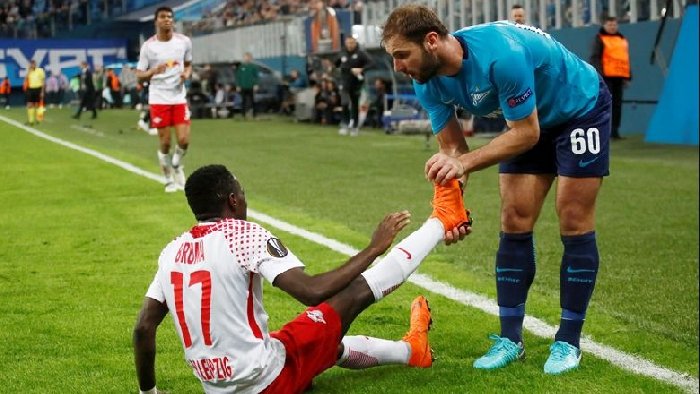 Why do football players get cramps so often?
 -
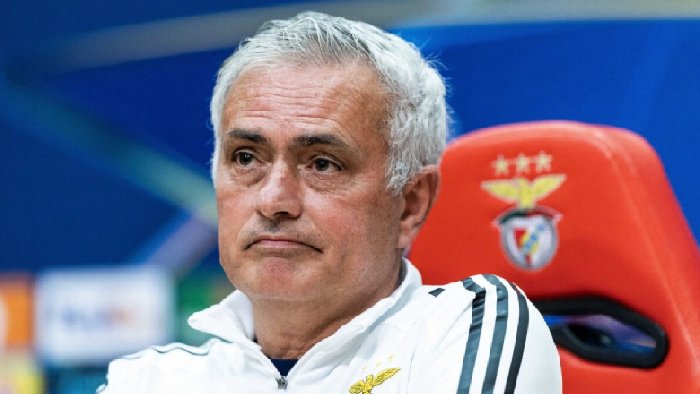 Why did Mourinho leave Real Madrid?
 -
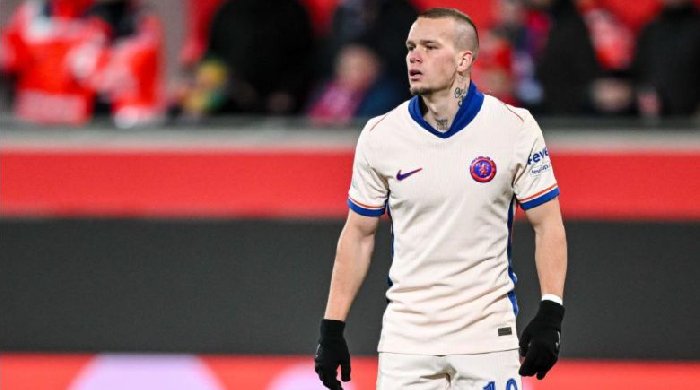 How much did Chelsea pay for Mudryk?
 -
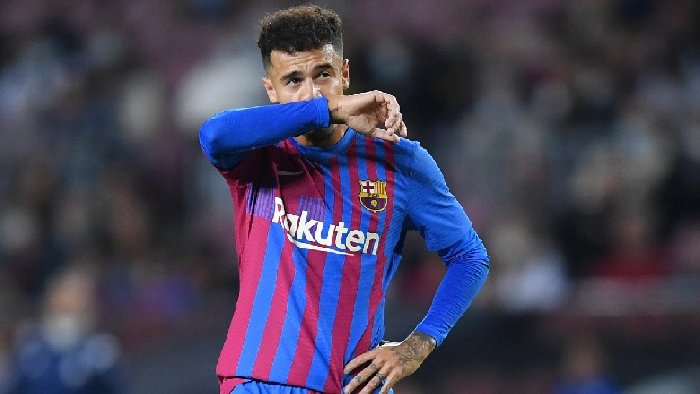 How much did Barcelona pay for Coutinho?