
What does the captain do in soccer?
The head coach is undeniably the supreme authority, wielding the power to dictate starting line-ups, tactical blueprints, and the future of players during volatile transfer windows. However, much like the operational structure of a major corporation, even the most visionary "President" or CEO requires the support of trusted lieutenants to act as their left and right hands.
While a coach may receive administrative and recruitment advice from technical directors who monitor every metric and achievement, the reality on the pitch demands a different kind of support.
Although a manager cannot physically lace up their boots to join the fray, they possess a vocal presence to reprimand unfocused players or reset the collective morale after conceding a goal. Yet, it is the captain who must embody this energy within the white lines, shining in the most suffocating moments to propel the team forward. These visible acts of leadership are merely the foundational duties that any spectator can observe.
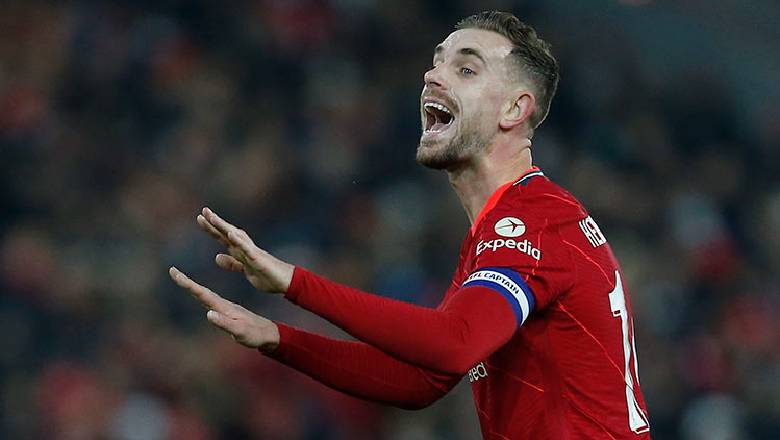
The true essence of this position carries a much higher series of "sacred missions" that Goaloomobi is prepared to reveal as we answer the question: What does the captain do in soccer?
What does the captain do in soccer?
1. The official representative and matchday mediator
According to the formal Laws of the Game, a captain’s mandatory responsibilities are deceptively simple: participating in the coin toss to determine the direction of attack and managing the procedural aspects of a penalty shootout. Distinguished by the armband, they serve as the official point of contact for the referee.
In professional matches, when a dispute erupts or a controversial decision is made, the captain is expected to be the first to intervene, dissolving arguments between teammates and opponents to restore balance. This diplomatic function is crucial; a level-headed leader can prevent a flurry of unnecessary yellow cards by acting as a mediator.
2. The emotional anchor and locker room architect
Beyond these formalities, the captain is the emotional heartbeat of the locker room. When morale is low at half-time, they pull rank to lift the mood, offering inspiration that complements the manager’s tactical instructions. Some leaders choose a vocal path, utilizing motivational speeches, while others, like the legendary Diego Maradona, lead by the sheer weight of their on-field performance. In youth or recreational football, this role expands even further, often requiring the captain to take on organizational duties typically reserved for coaching staff at higher levels.
3. The bridge of communication and strategic liaison
Furthermore, the captain serves as a critical communication bridge that operates in 2 directions. They are a "sounding board" for the coach, providing insights into the team's physical and mental state before deciding on training intensities or match formations. Off the pitch, they support the organization by managing availability, coordinating team-building activities, or even supervising mundane tasks like kit-washing duties in smaller clubs. These responsibilities are not assigned based solely on goal statistics or technical superiority.
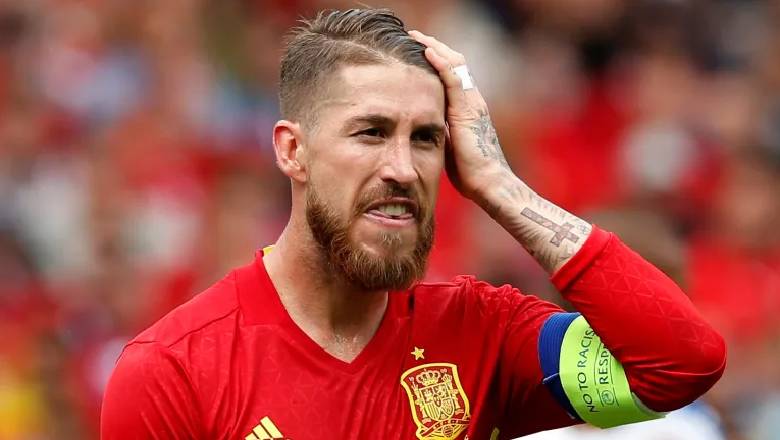
Instead, as noted by experts like Nicolò Cavalieri, the choice is driven by "relational competencies." This explains why, despite Lionel Messi’s unparalleled talent, many Argentinians historically preferred the vocal, aggressive leadership of Javier Mascherano to wear the armband for the Albiceleste. The captaincy is about unifying the squad and finding common ground with every member, ensuring that the path to victory is collective rather than individual.
How do clubs find their captain?
The most common method is seniority and longevity; players who have spent the majority of their careers at a club or are "homegrown" talents are natural choices because they embody the institution's DNA. Examples include Steven Gerrard at Liverpool or John Terry at Chelsea.
Another method involves a democratic process where the squad votes for their leader, as seen when Arsenal players chose Granit Xhaka. In national teams, the honor often falls to high-profile senior players who have achieved global success. Regardless of the method, the criteria remain consistent: maturity, initiative, and the ability to command immediate respect in the dressing room.
Greatest captains in football history
Gerrard, who became Liverpool’s permanent captain in the 2003/04 season at age 23, is perhaps the most famous example of leading by rescue. His "Istanbul moment" in the 2005 Champions League final saw him score a header that ignited a 3-0 comeback, a feat that led coach Rafael Benítez to praise his "limitless influence."
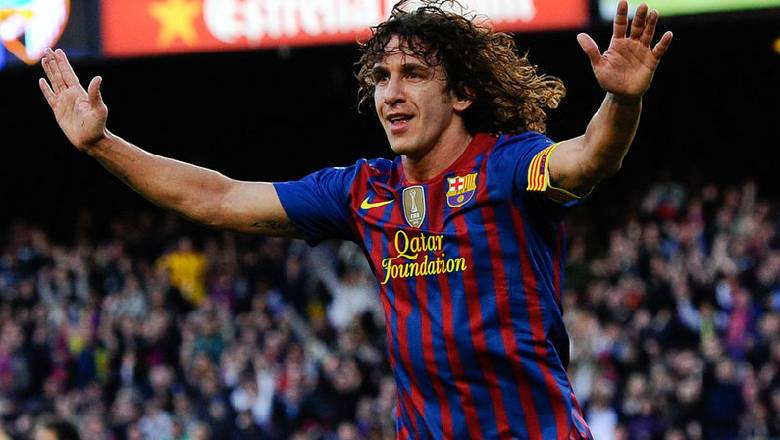
Similarly, Carles Puyol, the "one-club man" who captained Barcelona for a decade starting in 2004, was the silent guardian of Pep Guardiola’s greatest side. Puyol won 21 major trophies, with teammates often remarking that his presence alone made the defense feel impenetrable.
In Germany, Franz Beckenbauer redefined the role during the 1970s. Known as "Der Kaiser," he famously played the 1970 World Cup semi-final with a dislocated shoulder in a sling, an act of bravery that cemented his status as the ultimate "Field Marshal." These players were not always the most technically gifted on their rosters, but their ability to sacrifice personal comfort for the collective good allowed their clubs to achieve historic heights.
The standout responsibilities of a captain:
Acting as the official diplomatic liaison between the squad and match officials.
Mediating internal conflicts and maintaining harmony within the locker room.
Serving as a tactical extension of the coach to implement real-time adjustments.
Driving the team's emotional recovery after setbacks or conceded goals.
Coordinating off-field logistics and team-building to foster a unified culture.
Leading by example through work ethic, resilience, and consistent performance.
The detailed analysis provided by Goaloomobi.net has hopefully answered your questions regarding What does the captain do in soccer? This complexity is precisely why captains receive immense respect from peers and fans alike, even if they are not the "flashiest" players on the pitch.
If you desire to follow more insightful articles with a similar depth regarding the beautiful game, Goaloomobi is your ideal destination. We do not merely provide historical figures. We continuously update the most current news about players, clubs, and the world's top leagues. Furthermore, we boast a team of objective, highly skilled analysts who promise to bring you fresh and fascinating perspectives before and after every top-tier match.
The Most Popular
-
 10 most famous Argentina football players ever: Messi carries on Maradona’s legacy
 -
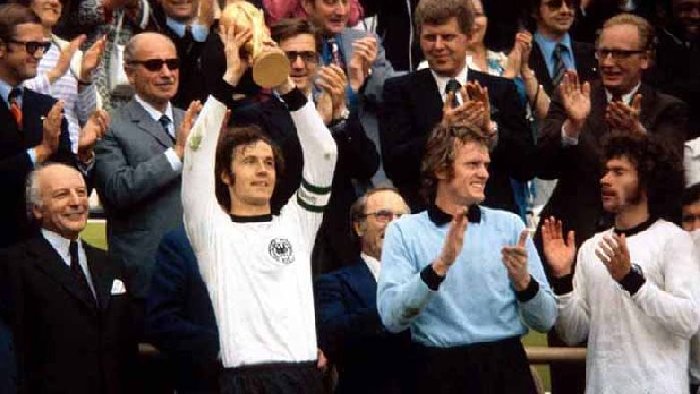 Germany’s football kit history: Top 5 iconic shirt designs ranked
 -
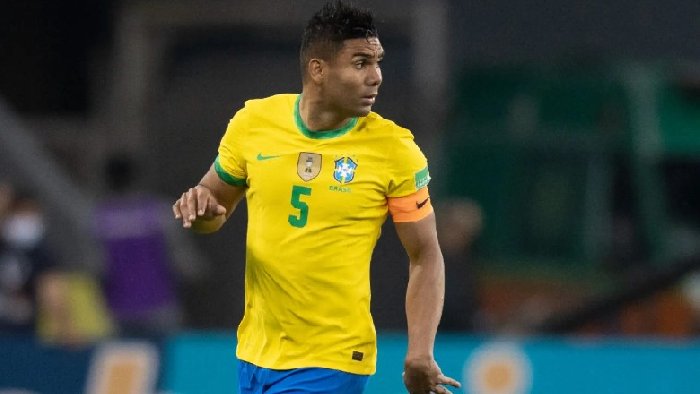 Who was the captain of Brazil national football team in 2025?
 -
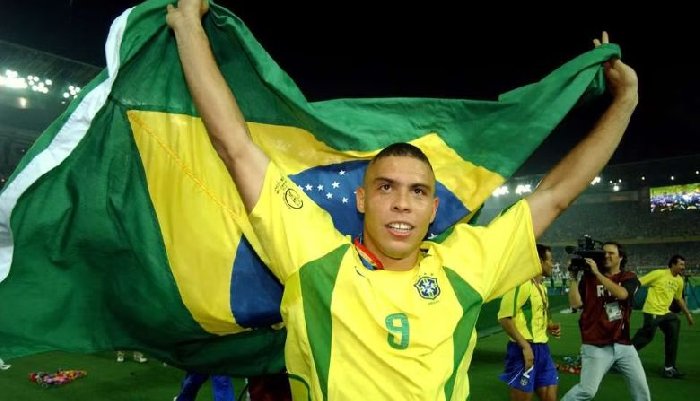 Brazil all time XI: 2 Pele included, does Neymar deserve a place?
 -
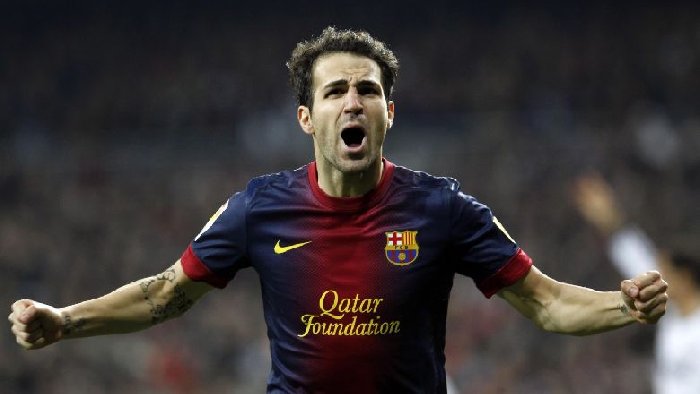 10 players who played for Chelsea and Barcelona: Lampard’s mentor, Fabregas’ controversial London return
 -
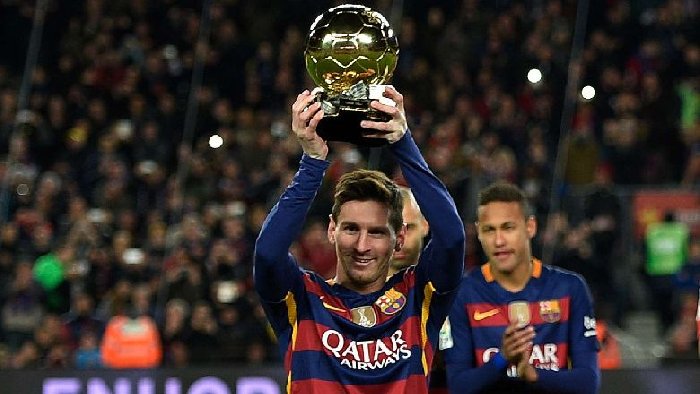 Is Messi a striker or midfielder?
 -
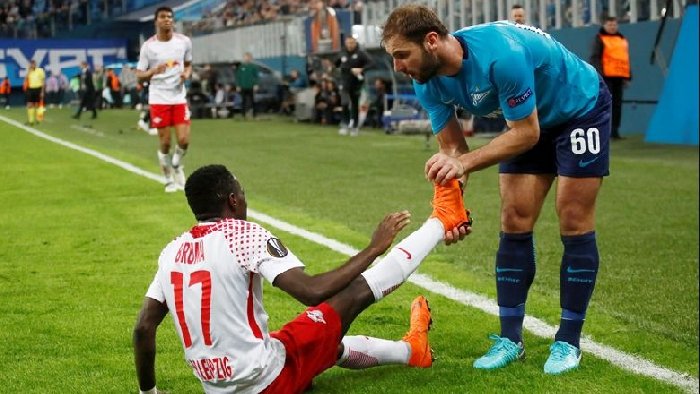 Why do football players get cramps so often?
 -
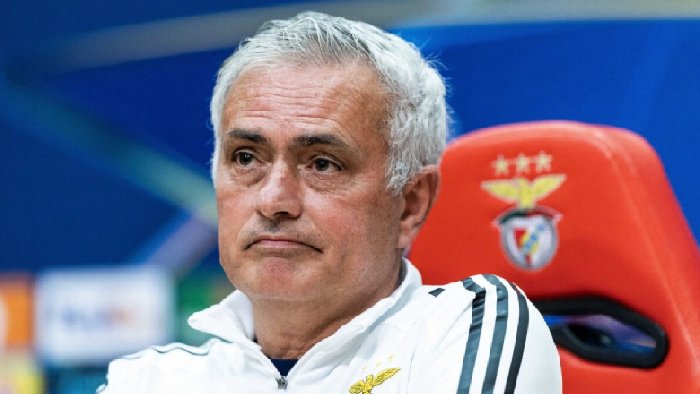 Why did Mourinho leave Real Madrid?
 -
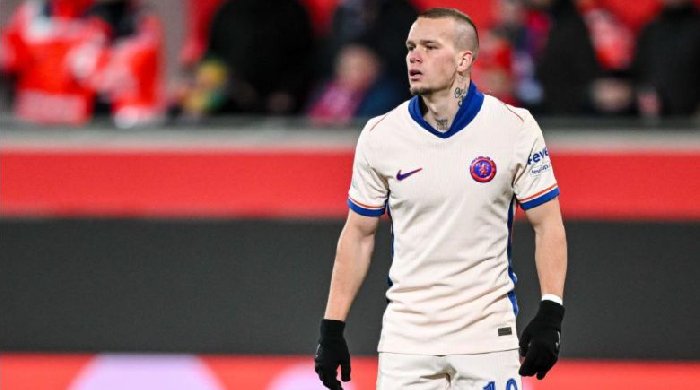 How much did Chelsea pay for Mudryk?
 -
 How much did Barcelona pay for Coutinho?