
What is the Liverpool FC's logo meaning?
Founded in 1892 by John Houlding following a dispute with Everton’s committee, Liverpool Football Club has spent over 134 years cementing its status as a global powerhouse. In its inaugural season, the team actually wore blue and white quartered shirts, a far cry from the iconic "All-Red" identity we know today.
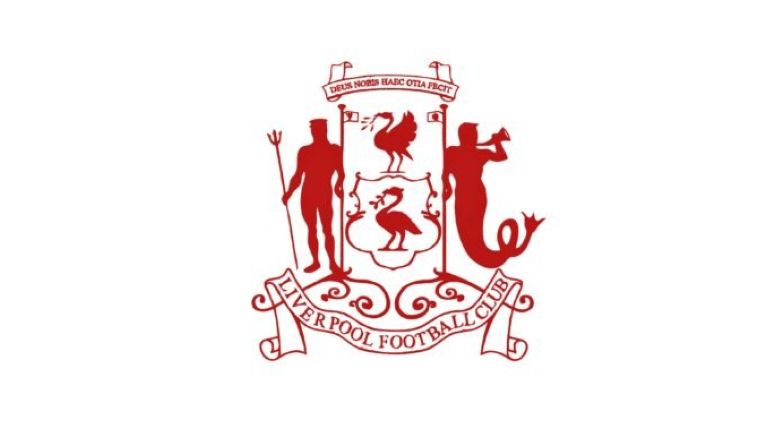
The original logo was a complex reproduction of the Liverpool City Council’s coat of arms, featuring the Liverbird, a mythical creature inspired by the cormorant, flanked by the Roman god Neptune and the Greek messenger of the sea, Triton. This design was chosen to represent the city’s vital link to maritime trade and its status as a gateway to the world.
Throughout its history, the club has transitioned through approximately 10 major logo variations. Despite these aesthetic evolutions, the Liverbird has remained the unwavering soul of the crest, usually accompanied by the profound anthem "You’ll Never Walk Alone." At Goaloomobi, we believe the Liverpool FC logo meaning transcends mere design; it is a manifestation of a unique identity and a brand that refuses to walk alone, standing distinct from any other institution on the planet.
Liverpool FC's logo meaning
In 1892, the first crest of the club began with a design so intricate it mirrored a royal seal. This "city coat of arms" era lasted until the 1940s, characterized by the Latin motto “Deus Nobis Haec Otia Fecit” (God has bestowed this liberty upon us). While this logo appeared on official documents and championship medals, such as those won by Tom Watson’s side in 1901 and 1906, it was rarely seen on the players' jerseys. During this period, Liverpool won their first league titles with a disciplined, hardworking approach.
As the world emerged from the shadows of conflict, the 1940s introduced a more "sport-centric" circular logo. This version placed the Liverbird inside a shield, surrounded by 2 soccer balls. It was a transitional phase that reflected the club's desire to modernize while retaining its maritime roots. Under various managers in the post-war era, the team maintained a competitive edge in the First Division, though they were yet to reach the heights of the later decades.
A shift toward minimalism arrived in 1950, stripping away the deities and elaborate backgrounds to leave a white Liverbird on a simple red shield. This was the first logo to truly "take flight" on the team's match-day kits.
Interestingly, this period saw the club navigating the Second Division before a Scottish visionary named Bill Shankly arrived in 1959. Shankly didn't just change the logo, he changed the club’s DNA, eventually introducing the famous all-red kit in 1964 to make the players look "taller and more intimidating."
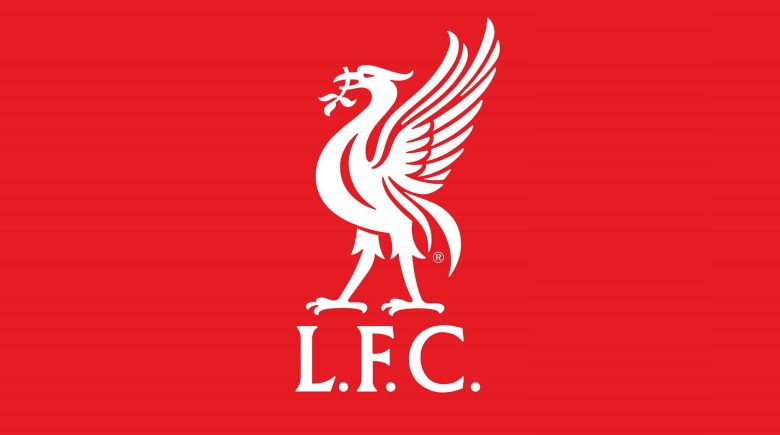
The era between 1968 and 1987 is often cited by purists as the most iconic. The logo was reduced to its barest essentials: the Liverbird standing alone with the initials "L.F.C." underneath. This "Stripped Down" version witnessed the most successful period in the club's history. Under the legendary Bob Paisley and later Joe Fagan, Liverpool became a "Pass and Move" juggernaut. This era boasted titans like Kenny Dalglish, Ian Rush, and Graeme Souness.
In the 1983/84 season, Liverpool achieved a historic Treble (League, League Cup, and European Cup). Ian Rush was in stratospheric form that year, netting 47 goals in 65 appearances across all competitions, a club record that stood for decades. The spirit of the Liverbird during these years represented a relentless, winning machine that dominated Europe with 4 European Cups.
In 1992, the club celebrated its centenary with a grand, ornamental design. This was a sophisticated piece of art that reintroduced the "Shankly Gates" and the "You'll Never Walk Alone" script. The design was credited to the club’s internal creative team and was intended to honor a century of triumph and tragedy.
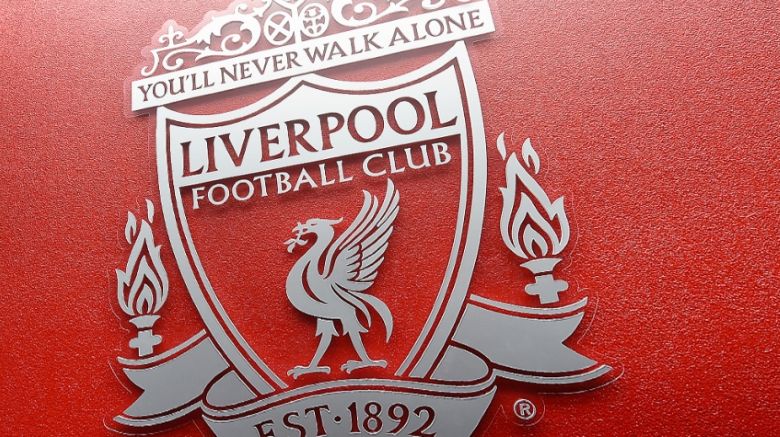
A year later, in 1993, the logo was adjusted to include 2 "Eternal Flames" flanking the shield, a somber and permanent tribute to the 96 supporters who lost their lives in the 1989 Hillsborough disaster. This version presided over the "Spice Boys" era and the early years of the Premier League.
The turn of the millennium brought the "Modernized Shield" (1999-present), featuring a 3D gradient effect and a richer color palette of Persian green and yellow. This logo has been the witness to "The Miracle of Istanbul" in 2005 under Rafael Benitez and the modern resurgence under Jurgen Klopp.
Klopp’s "Heavy Metal Football" philosophy, characterized by high-intensity pressing and lightning-fast transitions, delivered the club's first Premier League title in 2020.
Summary of Liverpool FC logo history:
1892-1940s: The city coat of arms
1940s-1950: The circular shield
1950-1955: The simple white bird
1955-1968: The oval badge
1968-1987: The minimalist Liverbird
1987-1992: The shield & wordmark
1992-1993: The centenary crest
1993-1999: The memorial crest
1999-present: The modern icon
Every iteration of the emblems used throughout the history of Liverpool has been meticulously decoded by Goaloomobi.net, revealing the symbolic meaning behind the frames solemnly embroidered on the players' chests. To the fans, the Liverpool FC logo meaning is a reminder that through storms and golden skies, the club’s identity remains unbreakable. Which of these historic logos do you feel best represents the soul of The Kop?
Do not hesitate to make Goaloomobi your favorite destination if you are looking for articles that recreate history and provide fascinating statistics. Furthermore, we always strive to bring a fresh, user-friendly football experience with constantly updated news about every top player, coach, and club in the world, alongside valuable analyses, predictions, and statistics for the most anticipated matches.
The Most Popular
-
 10 most famous Argentina football players ever: Messi carries on Maradona’s legacy
 -
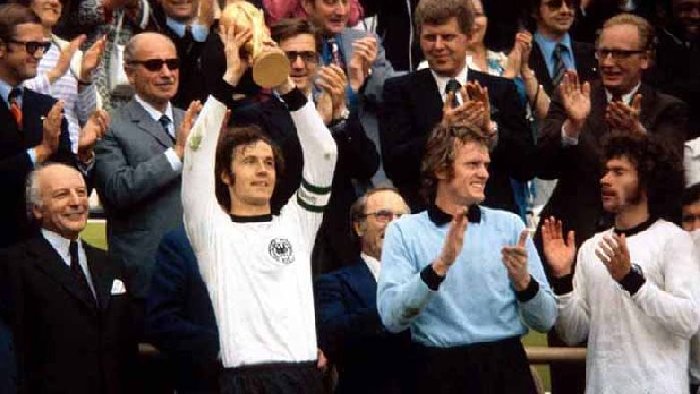 Germany’s football kit history: Top 5 iconic shirt designs ranked
 -
 Who was the captain of Brazil national football team in 2025?
 -
 Brazil all time XI: 2 Pele included, does Neymar deserve a place?
 -
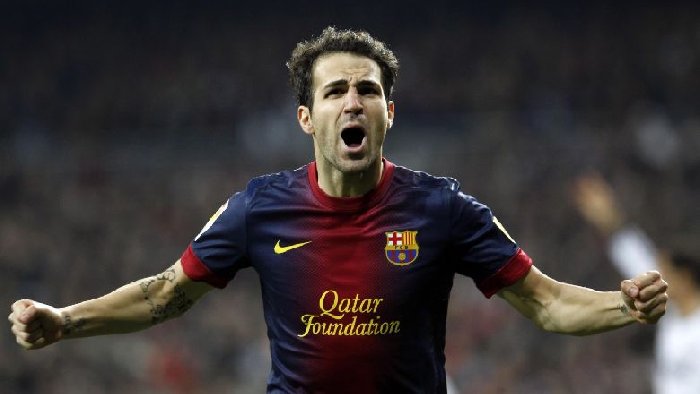 10 players who played for Chelsea and Barcelona: Lampard’s mentor, Fabregas’ controversial London return
 -
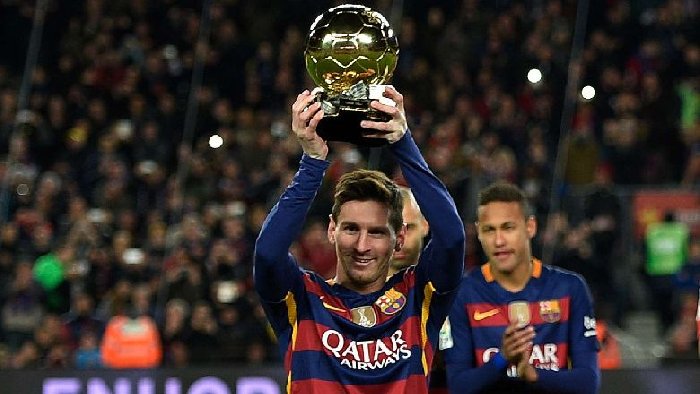 Is Messi a striker or midfielder?
 -
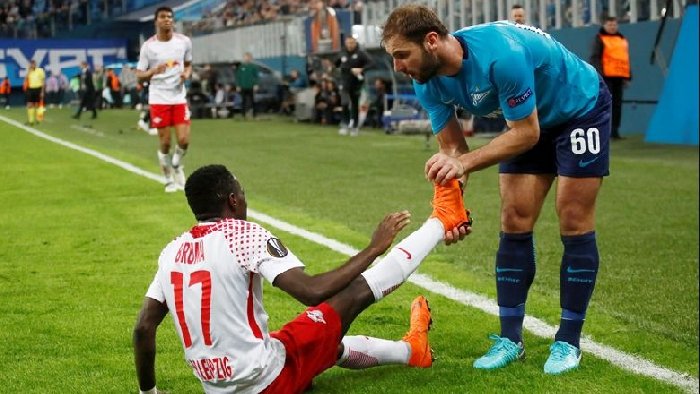 Why do football players get cramps so often?
 -
 Why did Mourinho leave Real Madrid?
 -
 How much did Chelsea pay for Mudryk?
 -
 How much did Barcelona pay for Coutinho?